
Silicon Carbide (SiC): The Next Generation of Power Electronics
SiC power semiconductors enable more efficient, compact, and high-performance systems. Especially in demanding industrial applications, SiC is rapidly becoming the new standard.
- Higher efficiency
- Higher power density
- Future-proof systems
Why SiC?
The global trend toward electrification is fundamentally changing the requirements for modern power electronics. High efficiency, compact design, and low noise emissions have become key success factors.
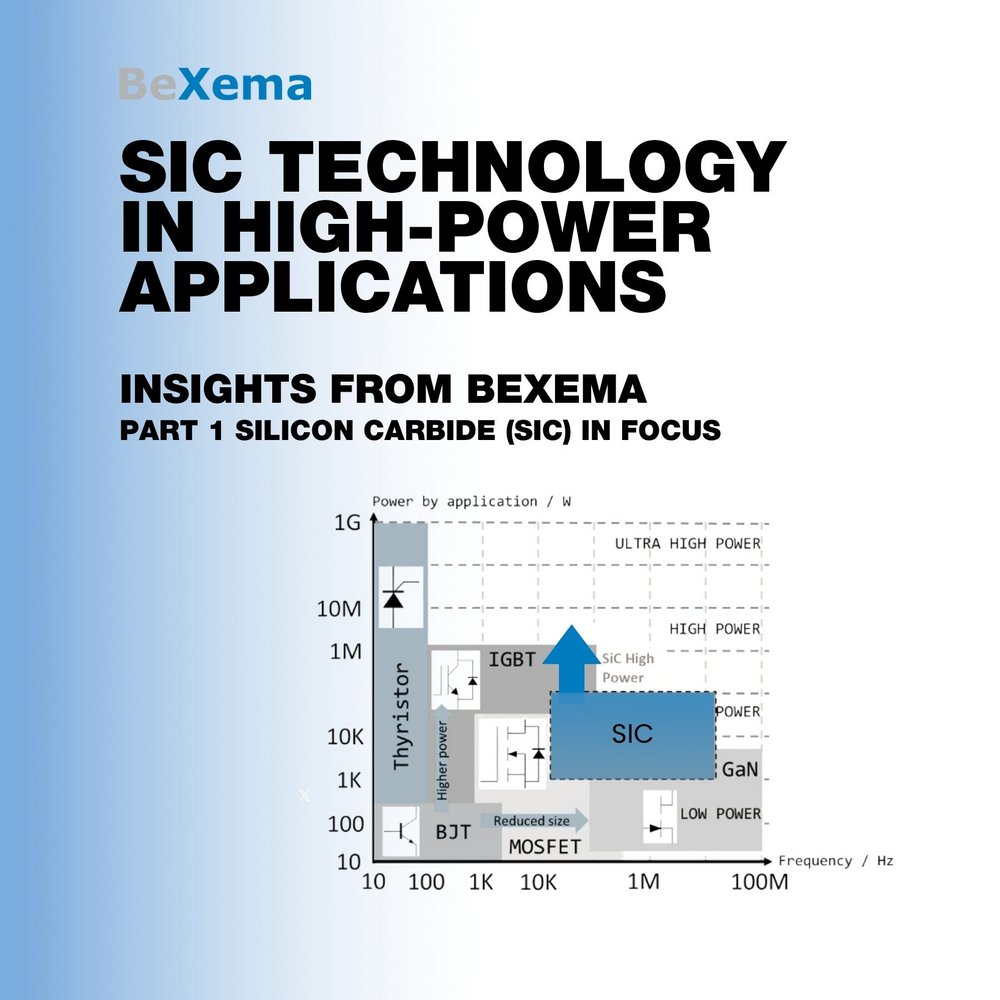
Silicon carbide (SiC) offers significant advantages over conventional silicon technologies due to its superior physical properties—especially at high voltages, temperatures, and switching frequencies.
The result: more powerful systems with reduced energy consumption and smaller footprints.
Technological Advantages of SiC
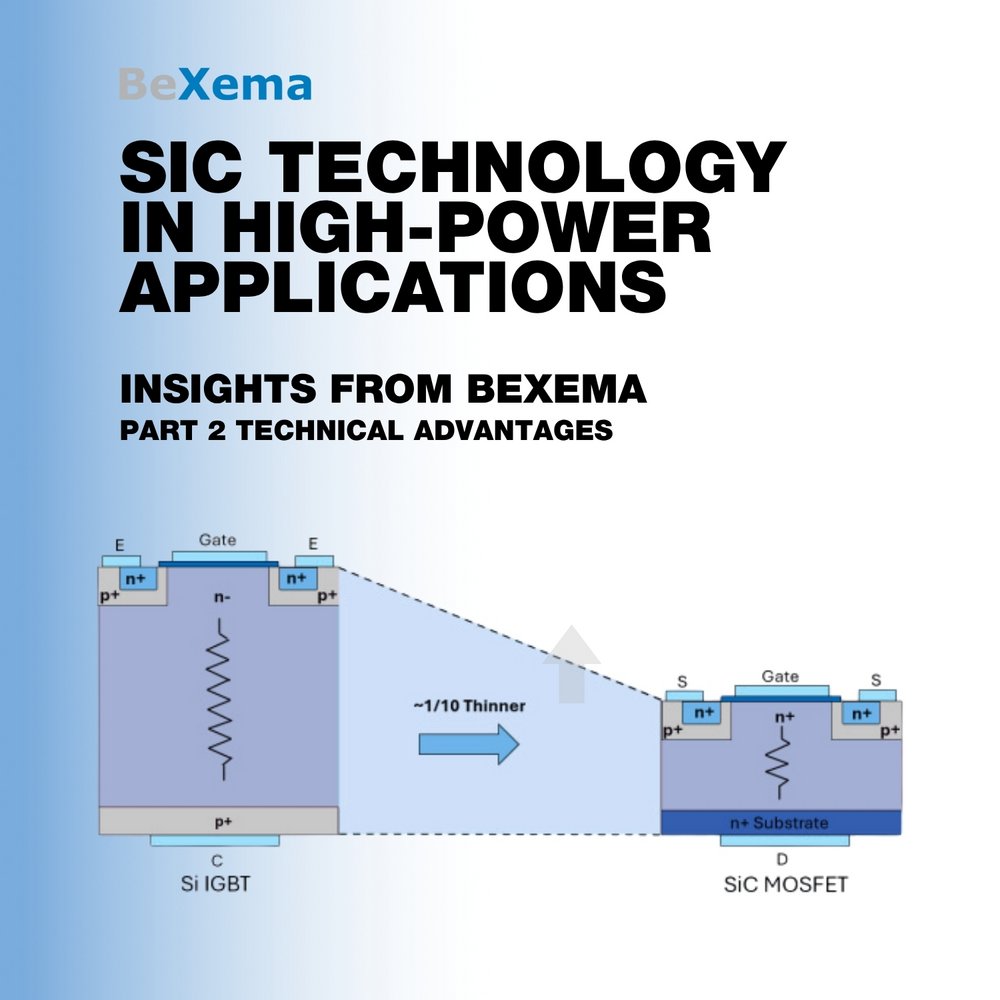
The unique material properties of SiC translate directly into measurable system benefits:
- Higher efficiency through reduced switching and conduction losses
- Improved thermal performance even at high power densities
- More compact designs thanks to smaller passive components
- Higher switching frequencies for enhanced control and system dynamics
SiC-based systems operate faster, cooler, and more efficiently—even in the multi-megawatt range.
SiC vs. IGBT: A Direct Comparison
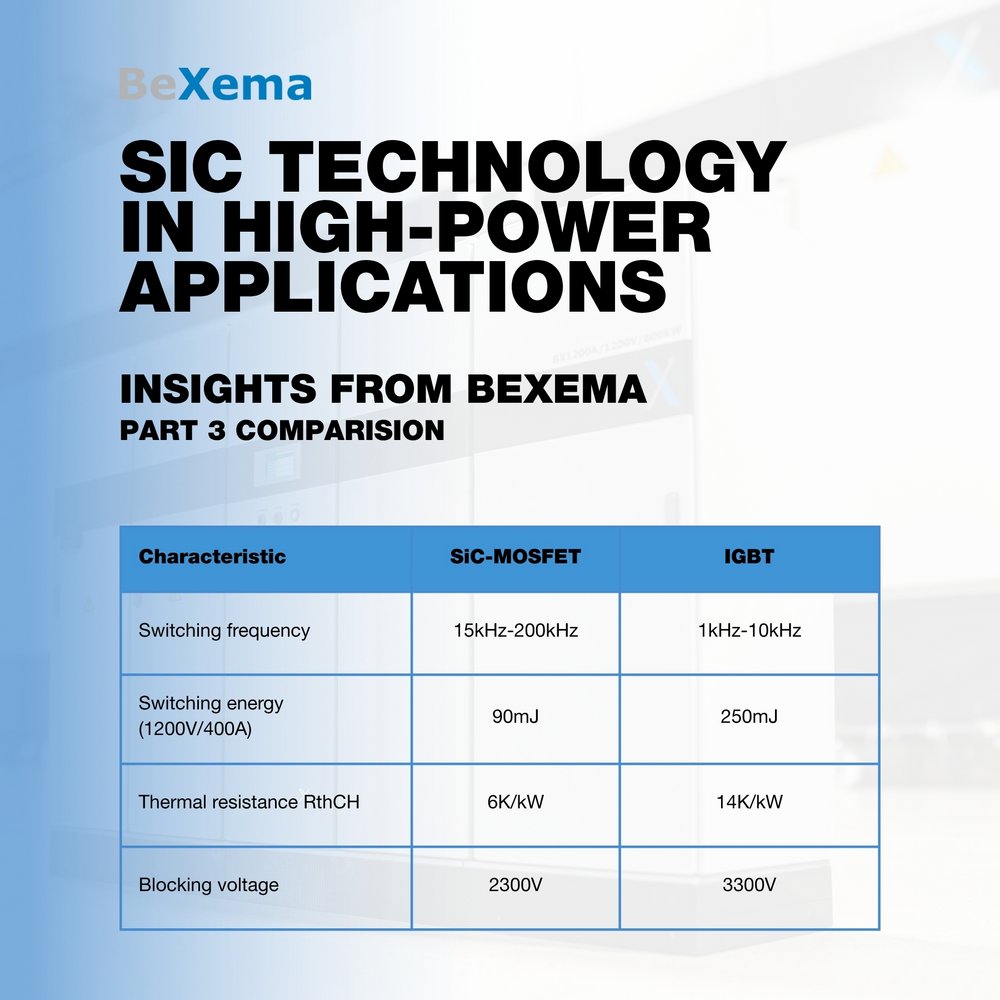
For decades, IGBTs have been the standard in power electronics. However, SiC significantly raises the performance level:
- Switching frequency: up to 10× higher
- Switching losses: significantly reduced
- Thermal performance: more stable at high power levels
These advantages enable:
- smaller and lighter systems
- reduced cooling requirements
- improved system dynamics
In short: more performance with fewer losses.
Typical Applications
SiC is used wherever efficiency, power density, and dynamic performance are critical:
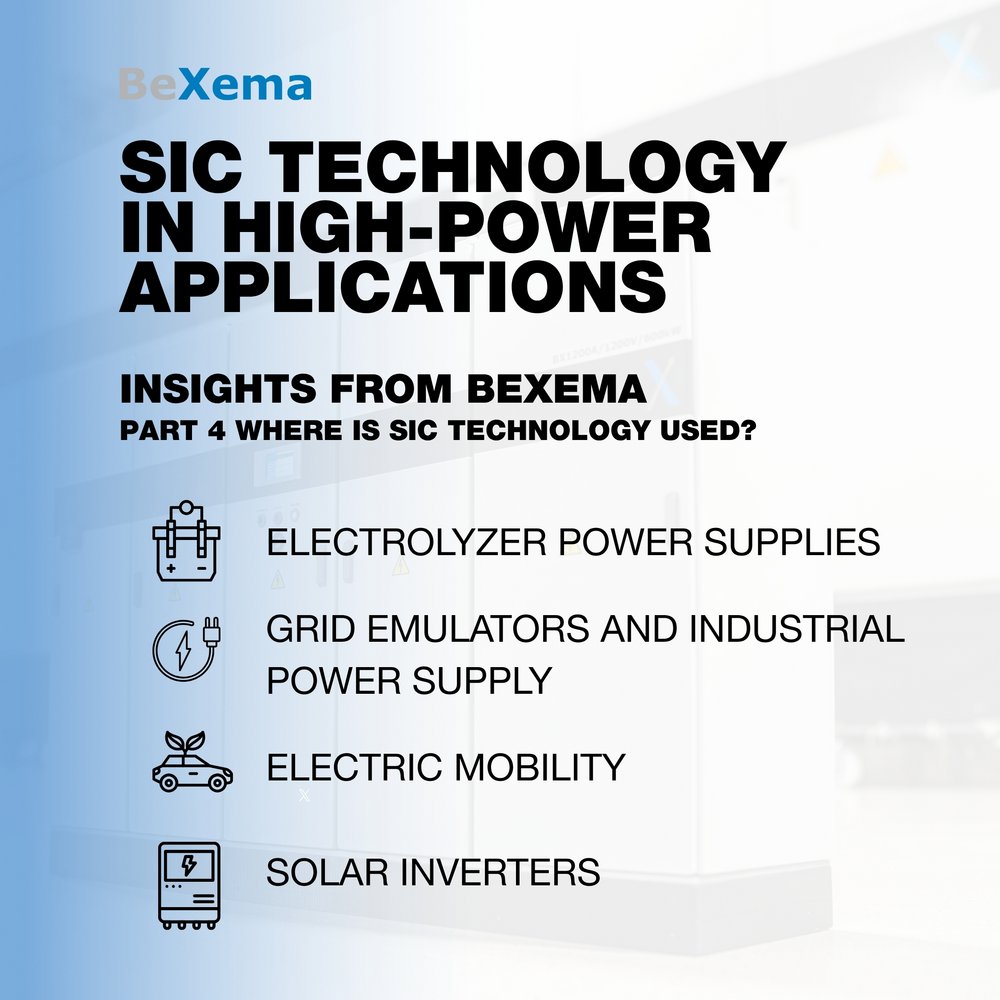
Electrolyzer Power Supplies
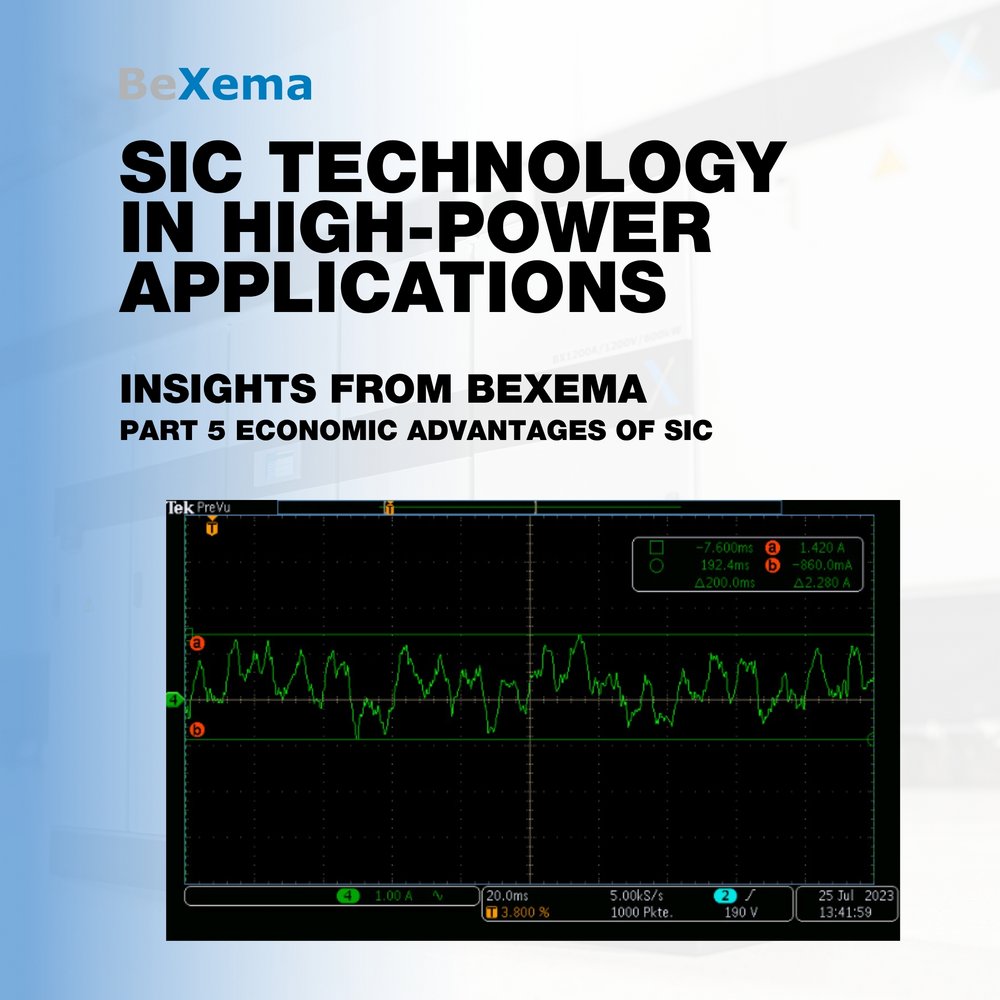
For hydrogen production, SiC enables precise control, minimal current ripple, and fast response times—ideal for modern electrolyzer systems.
Grid Emulators & Industrial Power Supplies
SiC ensures high efficiency, low noise emissions, and stable operation—even in multi-megawatt applications.
Electric Mobility
SiC-based inverters improve drivetrain efficiency, reduce cooling requirements, and enable more compact systems—resulting in increased range and performance.
Solar Inverters
In photovoltaic systems, SiC improves power conversion efficiency and reduces losses while enabling more compact inverter designs.
Economic Benefits of SiC
While SiC components may still have higher upfront costs, their economic advantages become clear over the full system lifecycle:
- Reduced energy losses → lower operating costs
- Lower cooling requirements → reduced system costs
- More compact designs → material savings
- Faster return on investment through improved efficiency
With increasing production volumes, component costs are continuously decreasing. SiC is not only a technological advancement but also an economically smart choice.
BeXema: SiC in Practice
At BeXema, we have been developing and delivering SiC-based power solutions for demanding industrial applications for years.
Our systems are used in:
- grid-forming inverters
- electrolyzer power supplies
- high-power industrial converters
With projects in the multi-megawatt range, we bring extensive hands-on experience and successfully implement SiC technology in real-world applications.
Conclusion
SiC power semiconductors are far more than just a technological advancement—they are a key enabler for the next generation of efficient and high-performance energy systems. Companies that adopt SiC today not only benefit from improved performance metrics but also secure long-term competitiveness in an increasingly electrified and energy-efficient world.
Do you want to learn more about SiC power electronics or discuss your specific application? Explore more here or get in direct contact with us!